Choosing the right wetsuit can make ocean sessions warmer, more comfortable, and considerably longer. The 10 options in this roundup cover versatile 3/2mm suits, warmer 4/3mm and 5mm designs, shorty styles, and front- or back-zip entries for different activities and conditions.
Use the guide below to match suit thickness, construction, and fit to your water temperature, sport, and tolerance for cold. A close, flexible fit is usually more important than choosing the thickest suit available.
Best 10 Wetsuits for Ocean Use Picks for 2026
Warmth-Focused Pick
O'Neill Epic 4/3mm Full Wetsuit

- 4/3mm neoprene for added warmth
- Stretch panels support mobility
- Sealed seams and knee protection
Best For: Adults wanting a warmer full suit for varied water activities
Flexible Front-Zip Choice

- Flexible 3/2mm neoprene
- Front zipper eases entry
- 16 size options with short and tall fits
Best For: Adults seeking versatile coverage and easier changing
Shorty Coverage Pick
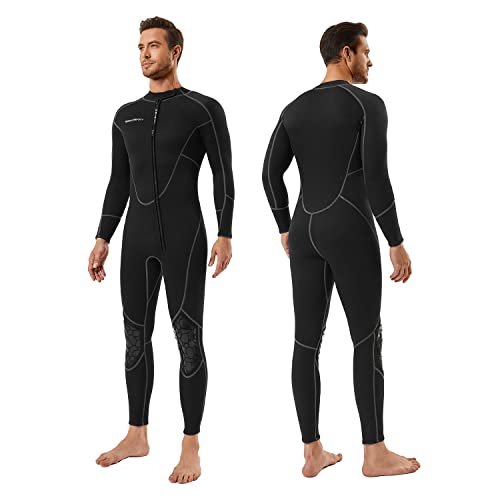
- 3mm stretch neoprene insulation
- Front YKK zipper for entry
- Flat-lock seams for comfort
Best For: Adults preferring shorty coverage for water sports
Simple Back-Zip Option

- Full-body 3/2mm construction
- Versatile across several water sports
- One-year manufacturer warranty
Best For: Adults wanting a versatile conventional back-zip fullsuit
Cold-Water Comfort

- 5mm neoprene and GBS seams for cooler water
- Front zipper supports easier self-entry
- Stretch panels improve movement
Best For: Cold-water surfing, snorkeling, paddling, and diving
Versatile Entry-Level Pick
O'Neill Reactor-2 3:2mm Wetsuit

- Lightweight 3:2mm warmth
- Stretch neoprene supports mobility
- Back zip allows easy entry and exit
Best For: Entry-level surfing, paddleboarding, kayaking, and beach use
Protective Cold-Water Coverage
Owntop 5mm High-Stretch Wetsuit

- 5mm neoprene for cold-water warmth
- UPF50+ coverage and protective fabric
- Front YKK zipper with snug cuffs
Best For: Cold-water diving, surfing, snorkeling, swimming, and paddling
Balanced Cold-Water Pick
Lemorecn Men's 3/2mm Full Wetsuit

- 3mm body with flexible 2mm sleeves
- Knee pads and UV 50+ protection
- Back zipper with adjustable Velcro
Best For: Cool-water surfing, snorkeling, diving, and kayaking
Coldest-Water Option
Men's 5mm Ultra-Stretch Full Wetsuit

- 5/4mm design rated to 44°F
- SuperStretch neoprene for mobility
- GBS seams help reduce water entry
Best For: Cold-water surfing and diving
Simple Mild-Water Choice
Dark Lightning 3/2mm Full Wetsuit

- Stretch 3/2mm neoprene construction
- Rated for 58–68°F water
- Easy-entry back zipper and leash
Best For: Recreational surfing, snorkeling, swimming, and kayaking
Warmth-Focused Pick – O'Neill Epic 4/3mm Full Wetsuit
For shoppers comparing wetsuits for ocean use, the O’Neill Epic combines 4/3mm neoprene with stretch-focused panels and wind-resistant chest and back materials. Its full-body design, sealed seams, and back zipper make it a practical choice for varied water activities.
Best For: Adults seeking a warmer full wetsuit for surfing, swimming, paddleboarding, kayaking, or similar activities.
Pros:
- 4/3mm construction provides substantial coverage and warmth.
- UltraFlex neoprene supports movement through the shoulders, arms, and lower body.
- Glued and blindstitched seams, a double super seal neck, and cuff construction help limit water entry.
- Krypto Armor knee pads add abrasion protection, while the key pocket offers convenient storage.
Cons:
- The thicker 4/3mm build may feel warmer and less minimal than a thinner suit.
- It uses a back zipper rather than a front-zip entry.
This is the most warmth-oriented option in the group, with useful durability details and broad activity coverage. A snug, comfortable fit is important to reduce water entry.
Flexible Front-Zip Choice – Hevto 3/2mm Front-Zip Wetsuit
Among wetsuits for ocean use, the Hevto 3/2mm full suit emphasizes flexibility, insulation, and broad activity compatibility. Its front zipper is designed for easier entry and exit, while the full-body coverage helps protect against wind, sun, and scratches.
Best For: Adults who want a versatile 3/2mm suit for surfing, snorkeling, diving, swimming, kayaking, or paddleboarding.
Pros:
- 3/2mm neoprene balances insulation with flexibility.
- Front zipper and upgraded puller are intended to simplify changing.
- Full-body coverage provides wind, sunburn, and scratch protection.
- Available in 16 size options, including regular, short, and tall fits.
Cons:
- The supplied notes do not specify seam construction or additional abrasion panels.
- A 3/2mm suit may provide less warmth than a thicker 4/3mm option.
Its sizing variety and front-zip design make this a practical option for shoppers who prioritize easier changing and a flexible fit. Check the size details carefully for the intended body profile.
Shorty Coverage Pick – Seaskin 3mm Front-Zip Shorty
The Seaskin 3mm Shorty offers a shorter wetsuit format for ocean-use activities such as snorkeling, diving, surfing, and swimming. Its three-layer fabric construction, front zipper, and flat-lock stitching are designed to combine insulation, movement, and convenient entry.
Best For: Adults who prefer a shorty-style suit for water sports and want a front zipper with flexible neoprene construction.
Pros:
- 3mm neoprene provides insulation while retaining stretch.
- Heavy-duty YKK front zipper supports easier entry and exit.
- Flat-lock stitched seams are designed for comfort and durability.
- Three-layer construction combines nylon, insulating neoprene, and a soft close-skin layer.
Cons:
- Shorty coverage leaves more of the arms and legs exposed than a full-body suit.
- The product notes emphasize checking the Seaskin size chart for a snug fit.
- Care requires handwashing in cold water and flat drying.
This is a useful middle-ground option when you want neoprene insulation without the coverage of a traditional fullsuit. Its shorty format is best matched to conditions where reduced limb coverage is acceptable.
Simple Back-Zip Option – Hevto 3/2mm Back-Zip Wetsuit
For wetsuits for ocean use that cover a range of activities, the Hevto 3/2mm back-zip model provides full-body neoprene coverage with a familiar rear-entry design. It is intended for surfing, diving, snorkeling, kayaking, swimming, and paddleboarding, while helping protect against wind, sun, and scratches.
Best For: Adults looking for a versatile full wetsuit with 3/2mm construction and a conventional back zipper.
Pros:
- 3/2mm neoprene and nylon construction is designed for warmth and flexibility.
- Full-body coverage supports use across multiple water sports.
- Back zipper offers a familiar entry style with an upgraded puller.
- One-year manufacturer warranty is listed in the supplied details.
Cons:
- The back zipper may be less convenient for some users than a front-zip design.
- The supplied notes do not specify seam sealing or reinforced knee panels.
- It may offer less warmth than the 4/3mm O’Neill option.
This model suits shoppers who want a straightforward fullsuit for varied recreational use. Its 3/2mm thickness favors a balance of coverage and flexibility, while fit remains important for warmth and comfort.
Cold-Water Comfort – Owntop 5mm Front-Zip Wetsuit
For shoppers comparing wetsuits for ocean use in cooler conditions, this full-body Owntop suit combines a 5mm neoprene body with GBS seams to help reduce heat loss and water flushing. Its front zipper and flexible panels make it a practical option for surfing, snorkeling, paddling, or diving.
Best For: Cold-water ocean activities where warmth, mobility, and easier self-entry matter.
Pros:
- 5mm neoprene body and GBS seams help retain warmth.
- Diagonal front zipper simplifies putting the suit on and taking it off.
- Stretch panels support paddling, bending, and kicking.
- Reinforced stress points and knee panels are designed for repeated use.
Cons:
- The thicker 5mm construction may feel warmer and less suitable for mild-water sessions.
- It is listed in an X-Large size, so careful measurement is important.
This is a warmth-focused choice for ocean users who expect cooler water and want a flexible full suit with convenient front entry. The adjustable neck and reinforced areas add practical value for frequent water adventures.
Versatile Entry-Level Pick – O'Neill Reactor-2 3:2mm Wetsuit
Among wetsuits for ocean use, the O’Neill Reactor-2 is a lightweight 3:2mm full suit aimed at accessible warmth and flexibility. Its back zip provides straightforward entry, while smoothskin insulation and seamless paddle zones support a range of water activities.
Best For: Entry-level surfers and paddle-sports users seeking lighter warmth with easy access.
Pros:
- 3:2mm construction balances warmth with a lighter feel.
- Ultra-stretch neoprene supports flexibility and comfort.
- Back-zip closure makes entry and exit straightforward.
- Designed for surfing, paddleboarding, kayaking, diving, and beach activities.
Cons:
- The 3:2mm thickness may provide less insulation than a 5mm suit in colder water.
- A back zipper may be less convenient for some users than a front-zip design.
The Reactor-2 is a sensible value-oriented option when you want broad activity coverage without the bulk of a thicker cold-water suit. Check the listed measurements carefully, especially the medium sizing details.
Protective Cold-Water Coverage – Owntop 5mm High-Stretch Wetsuit
This Owntop full-body suit is a strong contender among wetsuits for ocean use when you want substantial coverage for cold-water sports. Its 5mm neoprene construction, front YKK zipper, snug cuffs, and UPF50+ fabric are designed for warmth, sun protection, and reduced water entry.
Best For: Cold-water swimmers, snorkelers, divers, surfers, and paddlers wanting full coverage and protective features.
Pros:
- 5mm neoprene provides full-length warmth for cooler conditions.
- Front YKK zipper helps make changing easier.
- Snug wrist and ankle cuffs help limit water infiltration.
- UPF50+ fabric helps protect against sun exposure, while the material helps guard against jellyfish and coral scratches.
Cons:
- The 5mm thickness may be more than needed for warm-water use.
- Sizing requires chest, waist, and hip measurements rather than usual clothing size.
Choose this model when coverage and protection are priorities alongside warmth. Its listed 10°C temperature rating and full-body design make it especially relevant for cooler ocean sessions, provided the fit is selected carefully.
Balanced Cold-Water Pick – Lemorecn Men's 3/2mm Full Wetsuit
For shoppers comparing wetsuits for ocean use, this Lemorecn full suit is a practical option for water temperatures of 55°F and above. Its 3mm neoprene body, 2mm sleeves, and back-zip design balance warmth, mobility, and easy entry for surfing, snorkeling, diving, or kayaking.
Best For: Multi-sport ocean activities in cool water, especially users who want reinforced knees and straightforward back-zip entry.
Pros:
- 3mm neoprene and a 3mm chest panel provide warmth, while 2mm sleeves support flexibility.
- Flatlock seams are designed to reduce chafing during active sessions.
- Anti-abrasion knee pads, UV 50+ protection, and a YKK 10# zipper add practical features for regular use.
- Adjustable Velcro and a long back-zip pull help with fit and entry.
Cons:
- The listed temperature rating is limited to 55°F and above, so it may not suit colder water.
- Care requires hand washing and flat air drying rather than machine or heated drying.
Overall, this is a versatile 3mm suit for recreational ocean use where moderate insulation and durable contact points matter more than maximum cold-water protection.
Coldest-Water Option – Men's 5mm Ultra-Stretch Full Wetsuit
Among wetsuits for ocean use, this 5mm full suit is aimed at colder conditions, with a stated rating down to 44°F. SuperStretch neoprene and glued-blind-stitched seams are intended to preserve movement while limiting water entry during surfing or diving.
Best For: Surfers and divers seeking a warmer full suit for cold water and valuing flexible construction for longer sessions.
Pros:
- 5/4mm construction is rated for water as cold as 44°F.
- SuperStretch neoprene supports range of motion and may help reduce arm fatigue.
- GBS seams use glue and blind stitching to reduce water entry and improve warmth.
- Includes a key loop and a back zipper for practical use.
Cons:
- The thicker construction may feel less lightweight than a 3/2mm suit.
- The supplied notes do not specify a detailed fit chart or warranty.
- New suits may have a noticeable odor until aired out.
This model is the strongest choice of the three for colder ocean sessions, particularly when seam construction and insulation take priority over the lightest possible feel.
Simple Mild-Water Choice – Dark Lightning 3/2mm Full Wetsuit
This Dark Lightning suit is a straightforward option for wetsuits for ocean use in mild to cool conditions. Its high-elasticity 3/2mm neoprene is rated for 58–68°F water, while the classic back zipper makes it accessible for recreational swimmers, surfers, snorkelers, and paddlers.
Best For: Recreational ocean use in mild-to-cool water, especially buyers who prefer a flexible suit with understated styling.
Pros:
- Stretch neoprene is designed to provide warmth while allowing unrestricted movement.
- 3/2mm construction suits the stated 58–68°F temperature range.
- Extended back-zip leash supports easier entry and removal.
- All-black styling offers a clean, minimally branded appearance.
Cons:
- Its 3mm thickness and 59°F rating make it less suitable for very cold water than the 5mm option.
- The supplied details do not list reinforced knee panels or specialized seam construction.
- Careful sizing is important; the product notes specifically recommend checking the updated size chart.
Choose this suit for casual ocean activities where flexibility, simple entry, and a low-key design are more important than heavy insulation or extensive reinforcement.
How We Picked the Best Wetsuits for Ocean Use
We selected these suits by comparing the features that matter most in real ocean conditions: neoprene thickness, intended temperature range, flexibility, entry system, coverage, sizing availability, and activity versatility. The lineup includes established surf-focused options from O’Neill alongside affordable designs aimed at surfing, diving, snorkeling, kayaking, paddleboarding, and swimming.
Because fit and water temperature vary widely, this list is not ranked by one universal standard. A lightweight 3/2mm suit may be preferable for warm-season surfing, while a 5mm full suit provides more insulation for colder water or slower activities.
Quick Comparison
- Warm-season and mild water: Choose a 3/2mm full suit or shorty when you need moderate insulation and maximum mobility.
- Cooler ocean water: A 4/3mm suit offers a useful balance of warmth and flexibility for many shoulder-season sessions.
- Cold water and extended sessions: Consider a 5mm full suit, especially for diving, snorkeling, or activities with less continuous movement.
- Easy changing: Front-zip suits can be convenient to put on, while back-zip designs are familiar and often easier to adjust.
Key Buying Factors for Wetsuits for Ocean Use
Thickness and Water Temperature
Thickness is the primary insulation choice. A 3/2mm suit generally suits milder conditions, while 4/3mm and 5mm options are better for progressively colder water. Your activity level, wind, body size, and personal cold sensitivity also affect the ideal thickness. Check the manufacturer’s temperature guidance rather than relying on thickness alone.
Fit, Flexibility, and Seals
A wetsuit should feel snug without restricting breathing, paddling, or shoulder movement. Loose areas allow water to flush through and reduce warmth. Look for stretch neoprene, comfortable wrist and ankle openings, and a neckline that seals without chafing. Do not size up simply for easier dressing if it creates significant gaps.
Entry Style and Coverage
Back zippers are straightforward for many first-time buyers, while front zippers can improve flexibility and reduce bulk across the back. Full suits provide more protection from cold, sun, and abrasion than shorties. For diving or snorkeling, full coverage is usually the more versatile choice.
Durability and Care
After every use, rinse the suit with fresh water, dry it inside out away from direct heat, and avoid storing it folded tightly. Proper care protects seams, zippers, and neoprene stretch. If you surf regularly, prioritize reinforced construction and a reliable zipper over cosmetic details.
Who Should Buy Which Wetsuits for Ocean Use?
Casual surfers and paddleboarders should start with a flexible 3/2mm full suit for broad seasonal use. Cold-sensitive users or winter ocean participants will benefit from a 4/3mm or 5mm design, provided it does not compromise movement. Divers and snorkelers should favor full coverage and dependable seals, with extra thickness when they will spend long periods relatively still. Warm-water swimmers and vacation users may prefer a shorty for easier movement and simpler packing. Finally, beginners on a budget should prioritize accurate sizing, full-body coverage, and a zipper they can operate comfortably over advanced features they may not need.