Cold water can quickly turn a comfortable surf, dive, or kayak session into an endurance test. The right hood helps reduce heat loss around your head while improving comfort in wind, spray, and changing ocean conditions.
This roundup compares 10 wetsuit hoods for ocean use across lightweight, 3mm, and 5mm designs, including options for surfing, scuba diving, snorkeling, and other water sports.
Best 10 Wetsuit Hoods for Ocean Use Picks for 2026
Versatile Thermal Coverage
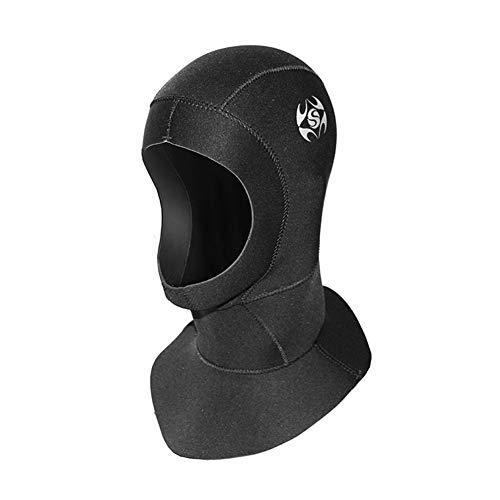
- 3mm neoprene for thermal coverage
- Integrated air vent and bib design
- Trimmable seal with M–XXL sizing
Best For: Divers and snorkelers wanting customizable full coverage
Lightweight Layering

- Lightweight 1.5mm Metalite neoprene
- Flatlock stitching
- UV protection for boating use
Best For: Boaters wanting a thinner, lower-bulk hood
Vented Diving Comfort

- 3mm neoprene thermal insulation
- Flow vent reduces trapped air
- Trimmable face seal and GBS seams
Best For: Adult divers and snorkelers needing vented 3mm coverage
Premium Cold-Water Fit

- TechnoButter 3 Firewall interior
- Adjustable cinch and anatomical design
- Smoothskin exterior with trimmable visor
Best For: Active surfers and divers wanting lightweight performance
Cold-Water Surfing Pick
Ho Stevie! 3mm Surfing Wetsuit Hood

- 3mm thermal-lined neoprene
- GBS seams and SmoothSkin seal
- Adjustable, under-wetsuit collar
Best For: Cold-water surfers needing extra warmth
All-Season Ocean Option

- 5mm-and-3mm neoprene construction
- Fleece-lined ear area
- Blind-stitched, flexible design
Best For: Multi-sport users seeking adaptable warmth
Lightweight Protection Pick
1mm Scuba Diving and Surf Hood

- Lightweight 1mm neoprene and nylon
- Integrated air vent for divers
- UV and marine-hazard coverage
Best For: Warm-water diving and snorkeling
Flexible Thermal Coverage

- Stretch face and chin area for comfort
- Glue-and-blind-stitch construction
- Top flow vent helps release bubbles
Best For: Ocean swimming, snorkeling, paddling, diving, and surfing
Lightweight Stretch Protection

- Flexible neoprene construction
- UV and sea-creature coverage
- Designed for multiple water sports
Best For: Adults using a hood with a diving suit for snorkeling, diving, and paddling
Vented Cold-Water Fit

- 5/3mm neoprene for cold-water warmth
- Three-valve air-release system
- Reinforced glued and blind-stitched seams
Best For: Adult divers and ocean-sport users seeking warm, vented coverage
Versatile Thermal Coverage – Skyone 3mm Neoprene Bib Hood
For shoppers comparing wetsuit hoods for ocean use, this 3mm Skyone model emphasizes thermal coverage, a face seal, and broad water-sports versatility. Its bib design, flow vent, and trimmable seal make it a practical option for snorkeling, diving, surfing, and other activities.
Best For: Divers, snorkelers, and water-sports users seeking full bib coverage and a customizable face seal.
Pros:
- 3mm neoprene provides thermal coverage with a flexible fit.
- Integrated air vent helps bubbles escape without encouraging water exchange.
- Glued and blind-stitched construction is designed for durability and reduced water absorption.
- Trimmable face seal and sizes from M through XXL support fit customization.
Cons:
- The 3mm thickness may feel warmer or bulkier than a lightweight 1.5mm hood.
- Fit may require careful head measurement and possible face-seal trimming.
This is a feature-rich choice when coverage and warmth matter more than minimal bulk. Its vented, bib-style design is particularly useful for varied ocean and water-sport use.
Lightweight Layering – O'Neill Thinskins 1.5mm Hood
Among wetsuit hoods for ocean use, the O’Neill Thinskins 1.5mm Hood is a lightweight option for users who prefer less neoprene bulk. Its 1.5mm Metalite neoprene, flatlock stitching, and UV protection suit boating and other moderate-coverage applications.
Best For: Boaters and water users looking for a lightweight 1.5mm hood.
Pros:
- 1.5mm construction offers a lighter alternative to thicker thermal hoods.
- Metalite neoprene is included for lightweight performance.
- Flatlock stitching and UV protection add practical features.
Cons:
- Only a Large size is specified in the supplied details.
- The thinner 1.5mm construction may provide less insulation than a 3mm hood.
- The supplied information lists a zipper closure but does not describe a bib or vent system.
This model makes the most sense when low weight and a thinner profile are priorities. Shoppers seeking maximum cold-water insulation may prefer a thicker hood instead.
Vented Diving Comfort – 3mm Thermal Flow-Vent Hood
This 3mm thermal hood is a practical contender among wetsuit hoods for ocean use, especially for diving and snorkeling. It combines glued blind-stitch construction with a flow vent, a flexible fit, and a face seal that can be trimmed for a closer match.
Best For: Adult divers and snorkelers who want 3mm insulation with airflow management.
Pros:
- 3mm neoprene is designed to provide thermal insulation in cold water.
- Flow vent helps reduce trapped air during underwater activities.
- Glued blind stitching supports watertight seals and durability.
- Trimmable face seal can be adjusted to facial contours.
Cons:
- The supplied details specify only a Large size.
- Correct sizing requires consulting the seller’s size chart.
- Its 3mm construction may be more substantial than a lightweight hood.
With its dedicated flow-vent design and 3mm thickness, this hood is well suited to repeated diving or snorkeling sessions. The adjustable seal adds versatility, provided the Large size is appropriate.
Premium Cold-Water Fit – O'Neill Psycho 1.5mm Hood
For wetsuit hoods for ocean use that balance a thin profile with cold-water features, the O’Neill Psycho 1.5mm Hood adds an adjustable cinch, smoothskin exterior, and insulated TechnoButter 3 Firewall interior. It is designed for surfing, diving, paddleboarding, and similar aquatic activities.
Best For: Cold-water surfers and divers wanting lightweight insulation with an adjustable fit.
Pros:
- TechnoButter 3 Firewall interior is designed for insulation with low weight.
- Anatomical 3D design and adjustable cinch support a secure fit.
- Glued and blind-stitched seams help create a watertight, low-chafe seal.
- Smoothskin exterior resists wind and spray; the trimmable visor helps channel water away from the eyes.
Cons:
- The supplied details specify only a Large size.
- At 1.5mm, it may offer less overall thickness than a 3mm thermal hood.
- The cinch and visor may require adjustment for a personalized fit.
This is a performance-oriented lightweight hood for users who value fit control, wind resistance, and flexible insulation. It is especially compelling for active cold-water sports where bulk can restrict movement.
Cold-Water Surfing Pick – Ho Stevie! 3mm Surfing Wetsuit Hood
Ho Stevie! Surfing Wetsuit Hood 3mm – Warm, Comfortable, Works with All Wetsuits (Large)
Check Price On AmazonFor surfers comparing wetsuit hoods for ocean use, the Ho Stevie! 3mm hood focuses on warmth, water resistance, and flexible session-long comfort. Its under-wetsuit collar, SmoothSkin face border, and thermal lining are designed for cold paddle-outs and duck dives.
Best For: Surfers who want a warm 3mm hood with an adjustable fit and the option to pull it down when conditions feel warmer.
Pros:
- 3mm limestone-based neoprene with a soft thermal lining adds warmth in cold water and wind.
- GBS seams and a SmoothSkin border help limit water entry and improve durability.
- Adjustable design can be worn over or under the chin and pulled down during a session.
- Available in multiple sizes, with guidance to size up when between sizes.
Cons:
- At 3mm, it may be warmer than needed for mild-water sessions.
- The supplied sizing range is limited to small, medium, and large.
This is a strong ocean-surfing choice when warmth and a secure face seal matter most. The 44°F temperature rating and thermal construction make it particularly suited to colder sessions.
All-Season Ocean Option – XUKER Neoprene Surf Hood
Among wetsuit hoods for ocean use, the XUKER neoprene surf hood offers a flexible fit with 5mm-and-3mm construction, fleece around the ears, and protection from cold wind. It is positioned for surfing, diving, swimming, kayaking, and other water activities.
Best For: Unisex water-sports users who want a snug hood for varied conditions and activities.
Pros:
- 5mm-and-3mm neoprene construction is designed to retain warmth across seasons.
- Fleece lining around the ears helps reduce cold-water discomfort.
- Blind-stitched seams support durability while minimizing water absorption.
- Flexible material provides a snug, comfortable fit and wind protection.
Cons:
- The supplied listing identifies this item as size large, so fit availability should be checked.
- The notes do not provide a temperature rating or detailed sizing measurements.
The XUKER is a versatile pick for people who move between ocean sports. Its mixed-thickness neoprene and ear-focused fleece lining emphasize warmth without giving up flexibility.
Lightweight Protection Pick – 1mm Scuba Diving and Surf Hood
For wetsuit hoods for ocean use in snorkeling, diving, and surface sports, this 1mm neoprene hood emphasizes flexibility, sun protection, and coverage. Its integrated flow vent lets trapped air escape while the glued and blind-stitched construction supports durability.
Best For: Divers, snorkelers, and ocean-sports users who prefer a lightweight hood with head-and-neck coverage and an air vent.
Pros:
- Lightweight 1mm neoprene and nylon provide a flexible, soft fit.
- Integrated top vent allows bubbles to escape without promoting water exchange.
- Glued and blind-stitched seams support warmth, comfort, and durability.
- Offers UV protection and coverage from sea lice, jellyfish, coral, and other marine hazards.
Cons:
- At 1mm, it provides less insulation than thicker cold-water hoods.
- The listing describes two sizes that fit most adults rather than a broad, detailed size range.
- The vent-focused design is especially oriented toward diving and snorkeling.
This hood makes sense when low bulk, marine protection, and bubble management are more important than maximum insulation. It is a practical lightweight option for varied warm-water activities.
Flexible Thermal Coverage – XUKER 5/3mm Neoprene Hood
For ocean swimmers, divers, and surfers comparing wetsuit hoods for ocean use, the XUKER hood combines 5/3mm neoprene with an ultra-stretch face and chin area for a more adaptable fit. Its thermal layer, protective coverage, and vented design make it suited to a range of water activities.
Best For: Ocean swimming, snorkeling, paddling, diving, and surfing in cooler water.
Pros:
- Ultra-stretch neoprene around the face and chin helps improve comfort and fit.
- 5/3mm neoprene helps create a thermal isolation layer for warmth.
- Glue-and-blind-stitch construction is designed for durability and flexibility.
- Top flow vent lets bubbles escape while limiting water exchange.
Cons:
- Only a Medium size is specified in the supplied details.
- The 5/3mm construction may feel warmer or bulkier than a thinner hood.
Choose this XUKER model if you want broad water-sports versatility, added face and chin stretch, and a vent intended to support comfort during diving. Check the fit carefully before purchasing.
Lightweight Stretch Protection – ZCCO 3mm/5mm Diving Hood
The ZCCO hood is a practical option among wetsuit hoods for ocean use, offering neoprene insulation, UV and sea-creature coverage, and a naturally fitted shape intended to reduce water resistance. It is designed as an accessory to wear with a diving suit rather than as a fully waterproof garment.
Best For: Adults who need a flexible hood for snorkeling, diving, kayaking, surfing, canoeing, or swimming.
Pros:
- High-grade 3mm neoprene is described as flexible, comfortable, and warm.
- High elasticity and recovery support a close, adaptable fit.
- Provides stated protection from UV rays and sea creatures.
- Versatile design works across several aquatic activities.
Cons:
- It is explicitly not completely waterproof.
- The supplied listing contains both 3mm and 5mm thickness references, so thickness should be confirmed.
- Only a Small size is specified in the supplied details.
This ZCCO hood makes sense for users prioritizing stretch and multipurpose coverage. Pair it with a diving suit as recommended, and verify the size and thickness details before ordering.
Vented Cold-Water Fit – Neoprene 5/3mm Scuba Hood
For divers and ocean athletes seeking wetsuit hoods for ocean use, this 5/3mm neoprene model emphasizes warmth, stretch, and easy handling. Its multi-valve vent system and reinforced seams are useful details for regular snorkeling, scuba diving, surfing, and other surface or underwater activities.
Best For: Adults wanting a warm, flexible hood for diving, snorkeling, surfing, swimming, and boating.
Pros:
- 5/3mm neoprene helps retain body heat in cold water.
- Three small valves release trapped air and bubbles from the hood.
- Glued and blind-stitched seams with reinforced joints support durability.
- 3D design is intended to make putting on and removing the hood easier.
Cons:
- The supplied details specify an XL size, so fit availability may be limited.
- A 5/3mm hood may be warmer and less minimal than a thinner option.
- Hand washing is specified for care.
This hood is a strong match for users who value insulation and a dedicated vent system. Confirm the XL sizing and follow the stated hand-washing care instructions to help preserve the construction.
How We Picked the Best Wetsuit Hoods for Ocean Use
We focused on the features that matter most in real ocean conditions: neoprene thickness, stretch, coverage, seam construction, ventilation, and compatibility with wetsuits. The selection includes lightweight 1.5mm hoods for mild conditions, versatile 3mm models for general use, and warmer 5mm designs for colder water.
We also considered whether each hood suits common activities such as surfing, scuba diving, snorkeling, kayaking, and sailing. A good hood should stay secure without creating excessive pressure, allow natural head movement, and work with the collar of your wetsuit.
Quick Comparison
| Water Conditions | Recommended Thickness | Best For |
|---|---|---|
| Mild or warm | 1.5mm | Wind protection, shoulder-season surfing, and layering |
| Cool or variable | 3mm | General surfing, snorkeling, kayaking, and diving |
| Cold | 5mm | Cold-water diving and extended ocean sessions |
Key Buying Factors for Wetsuit Hoods for Ocean Use
Thickness and Insulation
Thickness is the main factor affecting warmth. A 1.5mm hood offers flexibility and moderate protection, while 3mm is a practical all-purpose choice. Choose 5mm when water temperatures are low or you expect long periods in the water. Local conditions, wind, activity level, and the rest of your wetsuit should all influence the decision.
Fit and Coverage
Look for a close, even fit around the head, cheeks, and neck without painful compression. Bib-style designs extend beneath the wetsuit collar and can reduce flushing from cold water. Avoid loose areas that allow water to circulate, but do not size down so far that the hood restricts movement or causes pressure points.
Materials, Seams, and Ventilation
Stretch neoprene is easier to pull on and more comfortable during active use. Flatlock seams may feel comfortable in milder conditions, while glued or blind-stitched seams generally provide better insulation. Flow vents can help release trapped air during diving, but they should not compromise the hood’s fit or coverage.
Activity Compatibility
Surfers often prioritize flexibility and a secure fit under repeated wave impact. Divers may prefer greater thickness, extended neck coverage, and controlled venting. For kayaking or sailing, prioritize wind protection, comfort, and a design that works well with your personal flotation equipment and outer layers.
Who Should Buy Which Wetsuit Hoods for Ocean Use?
- For mild conditions: Choose a 1.5mm hood when flexibility and wind protection matter more than maximum insulation.
- For general ocean use: A 3mm hood is the most versatile choice for surfing, snorkeling, kayaking, and recreational diving.
- For cold-water sessions: Select a 5mm model with substantial neck coverage and a secure seal beneath the wetsuit collar.
- For frequent diving: Prioritize a snug fit, durable seams, and a flow vent designed to manage trapped air.
- For occasional users: A stretch neoprene hood with broad activity compatibility can provide useful value without requiring a specialized setup.
Before buying, check the manufacturer’s size chart and measure your head according to its instructions. Thickness alone does not determine warmth: a properly fitted hood that limits water exchange will usually perform better than a thicker, poorly fitted one.