Cold ground can drain warmth quickly, so choosing the right sleeping pad is essential for comfortable winter camping. Insulation, measured by R-value, matters just as much as thickness when temperatures drop.
We’ve gathered 10 sleeping pads for winter camping across several styles, from compact closed-cell foam mats to thick self-inflating and insulated air pads, so you can match warmth, comfort, and packability to your trip.
Best 10 Sleeping Pads for Winter Camping Picks for 2026
Best Ultralight Value
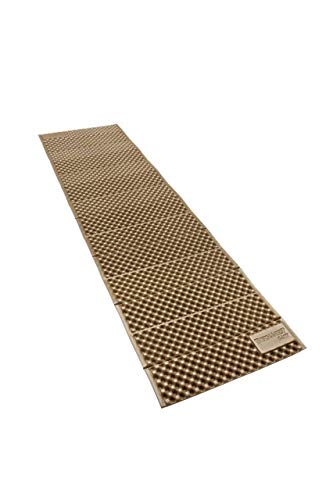
- Only 14 ounces
- Durable closed-cell foam needs no inflation
- Folds compactly for backpacking
Best For: Minimalist campers and backpackers needing a reliable foam pad
Best High-Capacity Comfort
Elegear 3.15-Inch Self-Inflating Pad

- 3.15-inch high-density memory foam
- 9.5 R-value for all-season insulation
- Listed 800-pound weight capacity
Best For: Car campers and larger sleepers wanting a thick, roomy pad
Best Frontcountry Insulation
Therm-a-Rest BaseCamp Self-Inflating Pad

- 6 R-value for year-round insulation
- Fast-inflating WingLock valve
- Large 77-by-25-inch sleeping surface
Best For: Frontcountry campers seeking balanced warmth and convenience
Ultralight Warmth

- Lightweight foldable closed-cell foam design
- Reflective aluminum film with R-2.1 insulation
- Waterproof and moisture-resistant
Best For: Minimalist backpacking and damp-ground camping
Four-Season Insulation

- Certified R-9 insulation for cold-weather use
- Four-inch thickness cushions uneven ground
- Includes pump sack and weighs 2.2 pounds
Best For: Cold-weather backpacking and four-season camping
Plush Self-Inflation

- Three-inch foam-and-air cushioning
- Self-inflates with built-in foot pump
- Quiet, insulated, and non-slip
Best For: Comfort-focused car and tent camping
Best All-Season Value

- 7.2 R-value for year-round insulation
- Four-inch thickness with a 330-pound capacity
- Two-pound design packs compactly
Best For: Backpackers wanting insulated comfort and manageable pack weight
Best Lightweight Pump-Sack Pick

- ASTM-tested 6.2 R-value
- About 1.5 pounds with a compact design
- Storage bag doubles as a 40L pump sack
Best For: Weight-conscious backpackers wanting fast, moisture-reducing inflation
Best Extreme-Cold Insulation

- R-value of 9.0 for cold-weather insulation
- 4.7-inch thickness supports multiple sleep positions
- Pump bag included for quick, low-moisture inflation
Best For: Winter and alpine campers prioritizing insulation over minimum weight
Best Overall Comfort – Hikenture 3-Inch Self-Inflating Pad
For campers prioritizing warmth and cushioning, the Hikenture is one of the more comfort-focused sleeping pads for winter camping. Its 3-inch memory-foam construction, built-in pillow, and listed 9.5 R-value provide substantial separation from cold, uneven ground, while the self-inflating design simplifies setup.
Best For: Car campers and tent campers who want a thick, spacious pad with integrated neck support.
Pros:
- 9.5 R-value offers strong insulation for cold-weather use.
- Three-inch memory foam adds cushioning and pressure relief.
- Built-in pillow, non-slip print, repair patch, and carry bag are included.
- 77-by-27.6-inch surface and 330-pound capacity suit a broad range of sleepers.
Cons:
- At 2.4 kg, it is better suited to car camping than weight-conscious backpacking.
- The thick foam construction is bulkier than a closed-cell foam pad.
The Hikenture stands out when overnight comfort and insulation matter more than pack weight. Its feature set makes it a practical winter base-camp or vehicle-camping option.
Best Ultralight Value – Therm-a-Rest Z Lite Original
The Therm-a-Rest Z Lite Original is a simple, lightweight choice among sleeping pads for winter camping, especially for backpackers who value reliability and low carried weight. Its closed-cell foam design works immediately without inflation and folds accordion-style for straightforward packing.
Best For: Backpackers, mountaineers, and campers who need a durable backup or minimalist ground pad.
Pros:
- Weighs just 14 ounces.
- Closed-cell foam cannot spring a puncture or lose air.
- Accordion folding makes it easy to pack and deploy.
- Textured construction helps trap heat and adds basic cushioning.
Cons:
- Its 1.7 R-value provides less insulation than the other listed pads.
- The 0.75-inch thickness offers limited cushioning on hard ground.
- At 20 inches wide, it is narrower than the larger self-inflating options.
The Z Lite is best viewed as a dependable, ultralight foundation rather than a plush winter mattress. For colder trips, its lower R-value may make layering with another pad important.
Best High-Capacity Comfort – Elegear 3.15-Inch Self-Inflating Pad
The Elegear combines a thick sleeping surface with a high listed weight capacity, making it a compelling option among sleeping pads for winter camping when comfort and room are priorities. Its 26D memory foam, 3.15-inch thickness, built-in pillow, and 9.5 R-value are aimed at warm, cushioned nights in camp.
Best For: Family campers, road trippers, and larger sleepers seeking a roomy, supportive pad.
Pros:
- 3.15-inch thickness and high-density foam provide substantial cushioning.
- Listed 9.5 R-value supports four-season insulation.
- Self-inflates through dual valves, with rapid inflation claimed after initial setup.
- Rated to hold up to 800 pounds and includes a built-in pillow and storage bag.
Cons:
- At 8.1 pounds, it is intended mainly for car camping and road trips.
- The first inflation may take up to 20 minutes because of vacuum packaging.
- Its large, thick design is less convenient for compact backpacking kits.
The Elegear is a comfort-first choice with unusually high listed capacity and strong insulation. It makes the most sense when transport space is available and sleep quality matters more than portability.
Best Frontcountry Insulation – Therm-a-Rest BaseCamp Self-Inflating Pad
Therm-a-Rest Basecamp Self-Inflating Foam Camping Sleeping Pad, Large - 25 x 77 inches
Check Price On AmazonThe Therm-a-Rest BaseCamp offers a balanced setup for frontcountry trips and is a practical contender among sleeping pads for winter camping. Its thermal foam, 6 R-value, self-inflating construction, and rugged WingLock valve provide dependable insulation and convenient inflation without the bulk of the thickest car-camping mats.
Best For: Tent campers who want year-round insulation, established brand support, and easier setup.
Pros:
- 6 R-value provides year-round insulation for camping.
- WingLock valve enables faster inflation and quick deflation.
- Large 77-by-25-inch size offers a comfortable sleeping area.
- Includes a stuff sack and limited lifetime warranty.
Cons:
- At 3 pounds 6 ounces, it is heavier than a minimalist foam pad.
- Its 2-inch thickness provides less cushioning than the 3-inch-plus alternatives.
- Best performance requires leaving it inflated for 2–4 hours before first use.
The BaseCamp is a sensible middle ground for campers who want meaningful cold-weather insulation without choosing an especially thick luxury pad. Its valve system and warranty add practical appeal for regular frontcountry use.
Ultralight Warmth – Foldable IXPE Foam Pad
For shoppers comparing sleeping pads for winter camping, this foldable closed-cell foam mat is a lightweight, moisture-resistant option with reflective insulation. Its 0.7-inch profile favors portability and simplicity over plush cushioning.
Best For: Ultralight backpackers, thru-hikers, and campers who want a compact foam pad for damp or cool ground.
Pros:
- Weighs roughly 396–455 grams and folds to a compact 23.6 x 5.5 x 5.5 inches.
- IXPE foam and aluminum film help reflect body heat; the listed insulation rating is R-2.1.
- Waterproof, moisture-proof, and corrosion-resistant construction.
- Does not require inflation or a pump.
Cons:
- At 0.7 inches thick, it provides less cushioning than inflatable or thicker self-inflating pads.
- Its R-2.1 rating may be less suitable for especially cold winter conditions than higher-R-value options.
This is a practical backup or minimalist sleep system when low weight, fast setup, and ground moisture protection matter more than maximum warmth or softness.
Four-Season Insulation – Elegear CumbreX 4-Inch Pad
Among sleeping pads for winter camping, the Elegear CumbreX stands out for its listed R-9 insulation and 4-inch thickness. It combines cold-ground protection with a backpacking-oriented weight of 2.2 pounds and pump-sack inflation.
Best For: Four-season backpackers and campers who prioritize substantial insulation and cushioning for cold, uneven terrain.
Pros:
- R-9 insulation is SGS tested and ASTM F3340-22 certified according to the supplied notes.
- Four inches of thickness and distributed support cells help cushion uneven or rocky ground.
- Includes a pump sack, repair patch, storage bag, and user guide; inflation takes about 4–6 pumps.
- 20D tear-resistant nylon with reinforced TPU is waterproof and designed to resist abrasion.
Cons:
- At 2.2 pounds, it is heavier than minimalist foam pads.
- The mummy shape may provide less usable width than a rectangular pad.
- It requires inflation and packing after use.
With its unusually high stated R-value and thick sleeping surface, this is the most winter-focused choice in the group, particularly when warmth and cushioning outweigh absolute minimum pack weight.
Plush Self-Inflation – OGERY 3-Inch Memory Foam Pad
For campers seeking comfortable sleeping pads for winter camping, the OGERY uses a 3-inch foam-and-air construction to reduce ground chill and pressure points. Its self-inflating design and built-in foot pump make setup convenient, though its 6-pound weight is better suited to car camping than long backpacking trips.
Best For: Car campers and tent campers who want thick, stable cushioning without blowing up the pad by mouth.
Pros:
- Three-inch memory-foam construction supports side, back, and stomach sleeping.
- Self-inflates after opening the valve, with a built-in foot pump for firmness adjustment.
- Foam filling helps reduce movement noise and heat loss from the ground.
- Waterproof nylon and a textured non-slip base support stable use in tents, cars, or on cots.
Cons:
- At 6 pounds, it is considerably heavier than backpacking-focused pads.
- The supplied notes do not provide a specific R-value, so its cold-weather insulation is less precisely defined.
- Its larger rectangular design may take more storage space than a compact mummy-style pad.
This pad is a comfort-first winter option for vehicle-supported trips, especially for sleepers who prefer foam cushioning and adjustable firmness over a lightweight carry.
Best All-Season Value – Trekology UL R7 Sleeping Pad
For campers seeking sleeping pads for winter camping without giving up portability, the Trekology UL R7 combines a 7.2 R-value with a four-inch inflatable design. At 2 pounds, it offers a practical balance of insulation, cushioning, and packability for three-season and winter-ready adventures.
Best For: Backpackers and campers who want strong insulation, generous cushioning, and a compact pad for year-round use.
Pros:
- 7.2 R-value helps insulate against cold ground.
- Four-inch thickness provides supportive cushioning and helps prevent bottoming out.
- Weighs 2 pounds and packs to about the size of a water bottle.
- 40D ripstop nylon with TPU coating is water-resistant and supports up to 330 pounds.
Cons:
- A separate pump bag is not included, so inflation requires mouth inflation or an optional pump bag.
- The 70.8-inch length is best suited to sleepers up to 5 feet 11 inches.
The Trekology is a well-rounded choice when insulation and comfort matter but pack weight still needs to stay reasonable. Its high weight capacity and leak-resistant construction add versatility, while the lack of a included pump bag is the main trade-off.
Best Lightweight Pump-Sack Pick – Hikenture R6.2 Insulated Pad
The Hikenture R6.2 is a lightweight option for shoppers comparing sleeping pads for winter camping. Its ASTM-tested 6.2 R-value, aluminum film construction, and included 40-liter pump sack provide a useful combination of cold-ground insulation and quick setup.
Best For: Backpackers who prioritize low carry weight, convenient inflation, and dependable insulation for cool-weather trips.
Pros:
- 6.2 R-value is tested to ASTM F3340-22 standards.
- Three-point-two-inch thickness and airbag construction distribute pressure for added support.
- Weighs about 1.5 pounds and packs compactly.
- Included storage bag doubles as a 40-liter pump sack, and two repair patches are included.
Cons:
- Its 3.2-inch profile is thinner than the four-inch-plus designs in this roundup.
- The supplied notes do not specify the pad’s inflated length or width.
Hikenture stands out for weight-conscious campers who do not want to carry a separate inflation system. The ASTM-tested insulation and pump-sack design are strong practical features, though shoppers who need a precisely documented sleeping surface may prefer a model with stated dimensions.
Best Extreme-Cold Insulation – OGERY R9.0 Sleeping Pad
For especially cold trips, the OGERY R9.0 is the most insulation-focused choice among these sleeping pads for winter camping. Its R-value of 9.0, multi-layer reflective structure, and 4.7-inch air-cell design are aimed at reducing heat loss while maintaining substantial sleeping comfort.
Best For: Winter campers, snow campers, and alpine users who prioritize maximum listed insulation and a thick sleeping surface.
Pros:
- R-value of 9.0 is designed for four-season and extreme-cold use.
- Four-point-seven-inch thickness supports side, back, and combination sleepers.
- Includes a pump bag to speed inflation and reduce moisture entering the pad.
- 40D nylon with TPU coating offers abrasion resistance and waterproof protection.
Cons:
- At 2.5 pounds, it is heavier than the Hikenture option.
- Its stated 200-kilogram capacity may be more than some users need but adds pack weight compared with lighter designs.
The OGERY is the logical pick when insulation takes priority over absolute lightness. Its thick, wide sleeping surface and included pump bag suit demanding winter conditions, while the 2.5-pound weight makes it better for gear-focused camping than ultralight missions.
How We Picked the Best Sleeping Pads for Winter Camping
We focused on the features that matter most in cold conditions: insulation, stated R-value, thickness, sleeping surface, packed size, weight, inflation design, and overall versatility. The selection includes models for backpacking, car camping, and mixed three-season-to-winter use.
Because comfort and warmth are personal, we included multiple pad types rather than treating one design as universally best. Product specifications should always be checked against the manufacturer’s current listing, especially R-value, dimensions, and packed weight.
Quick Comparison
| Pad type | Best for | Main advantage | Potential trade-off |
|---|---|---|---|
| Insulated air pad | Backpackers and space-conscious campers | Low packed size and strong warmth-to-weight ratio | Needs careful inflation and puncture protection |
| Self-inflating pad | Comfort-focused campers | Foam support with easier setup | Usually bulkier than air pads |
| Closed-cell foam pad | Ultralight and rugged use | Reliable, affordable, and puncture-proof | Less cushioned and often bulkier externally |
Key Buying Factors for Sleeping Pads for Winter Camping
R-Value and Temperature Range
R-value indicates resistance to heat loss through the ground. Higher values generally provide better insulation, but the number alone does not guarantee a specific comfort temperature. For regular winter camping, prioritize a well-insulated pad or combine pads to increase warmth.
Thickness and Sleeping Comfort
Thicker pads can cushion hips, shoulders, and uneven ground more effectively. Models around 3 to 4 inches may suit side sleepers, while thinner foam mats can work well for minimalists or as an insulating backup layer.
Weight, Packed Size, and Durability
Backpackers should compare the pad’s packed dimensions and weight, not just its inflated thickness. Air pads save space, while foam and self-inflating designs can be more dependable for repeated use. Always use a groundsheet or clear sharp debris before setting up.
Shape and Dimensions
Check the pad’s width and length against your sleeping position and tent floor. A narrow model may save weight but can let your sleeping bag touch the cold ground. Integrated pillows are convenient, though some campers prefer a separate pillow for adjustability.
Who Should Buy Which Sleeping Pads for Winter Camping?
Choose an Insulated Air Pad If You Backpack
Insulated air models are a strong choice when warmth and compact packing are priorities. They suit hikers who are willing to inflate the pad carefully and carry a repair kit.
Choose a Self-Inflating Pad for Comfort
Self-inflating designs are better for campers who value cushioning, stability, and simpler setup over the smallest packed size. They are especially practical for car camping and base camps.
Choose Closed-Cell Foam for Reliability
A foam pad is ideal for ultralight trips, rough terrain, emergency backup, or layering beneath another pad. It cannot puncture and can provide extra insulation when paired with an air pad.
For the coldest trips, prioritize verified insulation and a pad system suited to your sleep style, then balance warmth against the weight and packed volume you can realistically carry.