Cold ocean water demands more than a water-resistant shell. The best drysuits for ocean use help keep water out while giving you the mobility, durability, and layering room needed for paddling, sailing, diving, rescue work, and extended time on the water.
Our roundup includes breathable fabric suits, compressed-neoprene designs, front- and rear-entry options, and models with features such as integrated socks, relief zippers, reinforced panels, and detachable hoods. Use the guide below to narrow the choices by activity, conditions, and fit.
Best 10 Drysuits for Ocean Use Picks for 2026
Lightweight Technical Pick
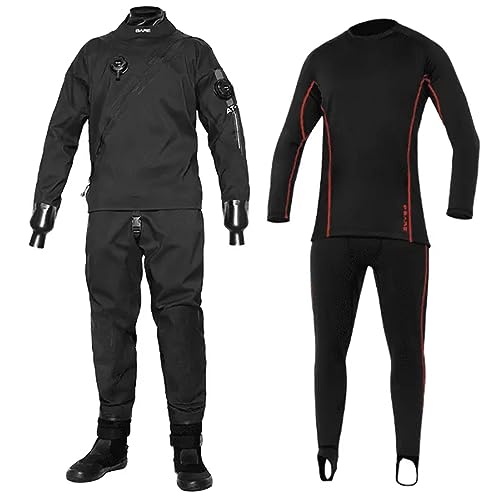
- Lightweight nylon construction
- Stretch fit with reinforced seam points
- Full manufacturer warranty
Best For: Flexible, lightweight technical use
Insulated Neoprene Option

- Pre-compressed 4 mm neoprene
- Liquid-sealed seams and brass zipper
- Designed for scuba diving
Best For: Recreational scuba diving with added insulation
Breathable Expedition Choice

- Three-layer breathable Hydrus fabric
- Relief zipper and included socks
- Durable nylon outer with DWR coating
Best For: Boating and demanding water activities
Feature-Rich Kayaking Pick

- Three-layer nylon with taped seams
- Rear-entry, relief zipper, and removable hood
- Pockets, fabric socks, and protective pads
Best For: Cold-water kayaking and paddling
Warm Neoprene Protection
SEAC Warmdry 4mm Neoprene Dry Suit

- 4mm neoprene full-body construction
- Fast-drying semi-rigid boots
- Hood, hose, straps, and storage bag included
Best For: Adult divers prioritizing warmth and included diving accessories
Offshore Sailing Defense
Men's Pro Drysuit for Offshore Sailing

- Three-layer waterproof breathable fabric
- Taped seams and YKK Aquaseal zipper
- Reinforced knees and seat
Best For: Sailors needing windproof coverage and durable deck protection
Rescue-Ready Versatility
Men's Cold Water Rescue Drysuit

- Waterproof breathable recycled nylon fabric
- Detachable hood and double tunnel waist
- Whistle and repair kit included
Best For: Kayaking, paddling, rescue, and multi-sport water use
Lightweight Paddling Pick

- Three-layer waterproof, breathable nylon shell
- Adjustable latex seals and waist fit
- Integrated socks and multiple pockets
Best For: Paddlers and boaters wanting a lightweight, adjustable suit
Reinforced Cold-Water Option

- Three-layer waterproof, breathable construction
- Reinforced knees and seat for durability
- Integrated socks and easy front entry
Best For: Cold-water paddlers needing reinforced wear areas
Feature-Rich Visibility Pick

- Relief zipper simplifies bathroom access
- 600D reinforcements protect knees, seat, and soles
- Reflective patch and self-draining pockets
Best For: Paddlers wanting convenience, durability, and visibility
Lightweight Technical Pick – Bare Aqua Trek Tech
For shoppers comparing drysuits for ocean use, the Bare Aqua Trek Tech offers a lightweight nylon construction with a stretch fit and reinforced critical-wear seams. Its long-sleeve design and zipper closure suit adults looking for a technical-style option.
Best For: Adults who prioritize a lightweight, flexible technical drysuit with reinforced seam areas.
Pros:
- Lightweight nylon construction.
- Stretch fit supports flexibility.
- Double-taped reinforcement at critical-wear seam points adds durability.
- Covered by a full manufacturer warranty.
Cons:
- Hand-wash-only care may require extra maintenance.
- The supplied notes list a Medium Large size, so availability may be limited for other fits.
The Aqua Trek Tech is a straightforward choice when low weight, stretch, and targeted seam reinforcement matter most. Confirm sizing and care requirements before ordering.
Insulated Neoprene Option – Cressi Desert 4mm
The Cressi Desert is a hooded 4 mm compressed-neoprene suit aimed at scuba divers. For those evaluating drysuits for ocean use, its liquid-sealed seams, marine brass zipper, and integrated booties focus on thermal protection and watertightness.
Best For: Adult scuba divers, especially beginners and recreational divers seeking a pre-compressed neoprene suit.
Pros:
- 4 mm pre-compressed neoprene is designed to provide thermal protection.
- Liquid-sealed seams help resist wear and fraying.
- Marine brass BDM 8tz pitch zipper is designed for reliability.
- Two-year limited warranty included.
Cons:
- Booties have no soles, which may require additional footwear depending on use.
- Neoprene construction may be less suitable for shoppers specifically seeking a lightweight shell suit.
- The supplied size is Large.
The Desert stands out for its neoprene insulation and scuba-oriented construction. It is a better match for divers who value thermal protection and reduced undergarment needs than for those wanting a minimalist trilaminate shell.
Breathable Expedition Choice – Kokatat Hydrus Swift Entry
The Kokatat Hydrus 3.0 Swift Entry is a three-layer boating drysuit built for water resistance, breathability, and wear resistance. It is a strong contender among drysuits for ocean use for users who want a premium shell with moisture-wicking comfort and a relief zipper.
Best For: Beginner to professional boaters seeking a breathable, durable three-layer drysuit.
Pros:
- Three-layer Hydrus fabric is designed to repel water while allowing the body to breathe.
- Polyester inner layer provides comfort and moisture wicking.
- Durable nylon outer layer resists wear and tear.
- Includes a relief zipper and socks.
Cons:
- The pull-on closure may be less convenient for shoppers who prefer a front-entry zipper.
- The supplied notes identify a Storm Blue color and a specific model, limiting color and configuration choice.
With its layered construction, DWR coating, relief zipper, and socks, the Hydrus 3.0 emphasizes practical comfort for extended boating use. Its premium positioning makes it most compelling when breathability and durability are priorities.
Feature-Rich Kayaking Pick – Drryfsh Rear-Entry Drysuit
The Drryfsh rear-entry drysuit combines three-layer nylon, fully taped seams, latex neck and wrist gaskets, and fabric socks. For shoppers comparing drysuits for ocean use, it offers a relaxed fit and practical features aimed at kayaking, rafting, paddling, and other cold-water activities.
Best For: Cold-water kayakers and paddlers who need room for thicker thermal layers and integrated activity-focused features.
Pros:
- Three-layer nylon with fully taped or welded seams is designed to help prevent leakage.
- Rear-entry and relief zippers support access and convenience.
- Removable hood, fabric socks, drop-seat pad, and removable knee pads add versatility.
- Two splashproof zippered thigh pockets provide storage.
Cons:
- Hand-wash-only care requires additional maintenance.
- Latex and neoprene components may not suit users with sensitivities to those materials.
- The supplied size is X-Large with a relaxed fit, so it may not suit every body type.
This Drryfsh suit is geared toward active cold-water use, with protective panels, adjustable layering room, and multiple storage and entry features. Check the fit and material composition carefully before choosing it for ocean activities.
Warm Neoprene Protection – SEAC Warmdry 4mm Neoprene Dry Suit
SEAC Men's Warmdry 4mm Neoprene Dry Suit, Black, Medium (Model: 0060001009055A)
Check Price On AmazonFor divers comparing drysuits for ocean use, the SEAC Warmdry stands out for its 4mm neoprene construction and diving-focused design. Semi-rigid boots, a hood, and water-blocking collar and wrist closures make it a practical option for adult recreational diving.
Best For: Divers seeking a neoprene dry suit with integrated footwear and included accessories.
Pros:
- 4mm neoprene construction provides a warm, full-body diving suit design.
- Semi-rigid boots turn inside-out to help speed drying.
- Bellowed 1000-denier Cordura pockets provide storage for necessary gear.
- Includes a hood, hose, straps, and fabric storage bag.
Cons:
- At 5.9 pounds, it is heavier than the listed fabric drysuit options.
- The supplied listing shows a size M, so sizing availability should be checked carefully.
This is a strong fit when warmth and diving-specific features matter most. The neoprene body, boots, and Glide Skin taped collar offer a more specialized setup than a general-purpose surface-water suit.
Offshore Sailing Defense – Men's Pro Drysuit for Offshore Sailing
For sailors evaluating drysuits for ocean use, the Men’s Pro Drysuit is built around offshore and inshore sailing. Its three-layer waterproof breathable fabric, taped seams, and waterproof front zipper target wet, windy conditions without adding the bulk of a heavier neoprene suit.
Best For: Sailors who need waterproof, windproof coverage for demanding deck work and cold-water crossings.
Pros:
- XPLORE+ three-layer fabric is described as waterproof, breathable, and windproof.
- Fully taped seams and a YKK Aquaseal front zipper help limit water entry.
- Reinforced knees and seat add durability in high-wear areas.
- Adjustable suspenders, stretch waist, fabric socks, and a thigh pocket support practical use on deck.
Cons:
- The listed configuration is size XL, so fit and availability require confirmation.
- It is designed around sailing and may be less specialized for scuba diving than a neoprene diving suit.
Choose this model when breathable protection and sailing mobility are higher priorities than neoprene insulation. Its reinforced construction and sealed front entry make it particularly suited to exposed decks and heavy spray.
Rescue-Ready Versatility – Men's Cold Water Rescue Drysuit
For paddlers and rescue users comparing drysuits for ocean use, this model combines three-layer waterproof fabric with a detachable hood, visibility details, and a double tunnel waist. Its feature set is aimed at kayaking, rafting, boating, sailing, and other active water sports.
Best For: Paddlers, rescuers, and water-sports users who want adjustable coverage and practical emergency-oriented features.
Pros:
- Three-layer nylon fabric is described as waterproof and breathable, using recycled materials.
- Detachable hood allows coverage to be adjusted between sessions or in warmer conditions.
- British latex neck and wrist gaskets are protected by fabric overcuffs.
- Reflective details, removable seat and knee pads, whistle, and repair kit add practical utility.
Cons:
- Hand-wash-only care may require more maintenance than machine-washable alternatives.
- The listed configuration is size XL, so buyers should verify fit before ordering.
- Latex gaskets may not suit users with latex sensitivities.
This is the most adaptable option of the three for paddling and rescue scenarios. The detachable hood, double tunnel closure, waterproof socks, and included repair kit support extended use across changing water conditions.
Lightweight Paddling Pick – Lightweight Men's Drysuit
For shoppers comparing drysuits for ocean use, this lightweight one-piece model emphasizes a breathable three-layer nylon shell, adjustable seals, and integrated socks. Its front-entry waterproof zipper and relaxed fit make it a practical option for paddling, boating, canoeing, rafting, and other cold-water activities.
Best For: Paddlers and boaters who want a lightweight suit with adjustable seals, accessible pockets, and integrated waterproof socks.
Pros:
- Three-layer waterproof, breathable nylon shell is designed for durability and abrasion resistance.
- Trimmable latex neck and wrist seals, adjustable cuffs, and waist webbing help customize the fit.
- Front-entry waterproof zipper, relief access, integrated three-ply socks, and multiple pockets add everyday practicality.
Cons:
- Low-stretch fabric and relaxed fit may feel less streamlined for users who prefer athletic apparel.
- Latex components require consideration from users sensitive to latex.
Its combination of low weight, adjustable closures, and storage makes it a versatile entry in the drysuits for ocean use category. Check sizing carefully, especially around the latex seals and integrated socks.
Reinforced Cold-Water Option – Men's Front-Zip Drysuit
This men’s front-zip suit is a strong candidate for drysuits for ocean use when reinforced wear areas and cold-water coverage matter. It combines three-layer waterproof, breathable fabric with latex gaskets, integrated socks, reinforced knees and seat, and a self-entry zipper.
Best For: Kayakers, sailors, and rafters who need reinforced lower-body protection and a flexible front-entry design.
Pros:
- Three-layer fabric with breathable coatings is designed to keep the wearer dry and comfortable in cold water.
- Reinforced, abrasion-resistant knees and seat support use in demanding conditions.
- Front zipper, adjustable overskirt, waist drawcord, latex gaskets, and integrated socks provide practical coverage and fit control.
Cons:
- Hand-wash-only care is less convenient than machine-washable options.
- The listed medium size may not suit every wearer without checking measurements first.
Choose this model if durability at the knees and seat is a priority alongside cold-water protection. Its regular athletic-oriented fit and adjustable waist features are worth reviewing before purchase.
Feature-Rich Visibility Pick – Drysuit with Relief Zipper
For drysuits for ocean use, this model stands out for its relief zipper, reinforced 600D nylon panels, and visibility details. The three-layer fabric, taped seams, latex gaskets, integrated socks, and storage pockets are aimed at cold-water kayaking, sailing, paddling, and rafting.
Best For: Kayakers and paddlers who prioritize bathroom access, reinforced knees and seat, and visibility in low-light conditions.
Pros:
- Three-layer waterproof, breathable fabric and taped seams are designed to limit leaks.
- Men’s relief zipper allows access without removing the entire suit.
- 600D nylon reinforcements, integrated socks, self-draining pockets, and a reflective shoulder patch add useful functionality.
Cons:
- The no-stretch fabric may feel less forgiving during movement.
- Hand-wash-only care adds maintenance time.
- The listed XX-large size requires careful fit checking before ordering.
This is the most feature-focused choice of the three, especially for longer outings where relief access and storage can improve convenience. Its reinforced construction and reflective detail also suit variable conditions, provided the relaxed fit and sizing work for you.
How We Picked the Best Drysuits for Ocean Use
We focused on the features that matter most in cold, wet environments: waterproof construction, seam sealing, dependable wrist and neck closures, entry-system design, mobility, and long-term durability. We also considered whether each suit supports insulating layers, protects high-wear areas, and suits its advertised activity. Because ocean conditions vary widely, the list includes both lightweight breathable shells and warmer neoprene options rather than treating one design as ideal for every user.
Always verify current sizing, materials, included accessories, and manufacturer care instructions before buying. A drysuit’s performance depends heavily on correct fit and properly maintained seals.
Quick Comparison
| Best For | Look For | Typical Advantage |
|---|---|---|
| Kayaking and paddling | Breathable fabric, flexible seat, reinforced knees | Mobility and comfort during active use |
| Cold-water diving | Neoprene construction, robust seals, layering room | Additional warmth and compression resistance |
| Sailing and touring | Waterproof front entry, adjustable fit, durable fabric | Reliable protection over long sessions |
| Rescue and whitewater | Reinforced panels, hood compatibility, secure closures | Extra coverage in demanding conditions |
Key Buying Factors for Drysuits for Ocean Use
Waterproofing and Seams
Look for fully taped or sealed seams and a fabric membrane designed for immersion. A water-resistant outer finish improves wet-weather performance but does not replace waterproof construction. Check whether the zipper is protected and whether the manufacturer specifies intended immersion use.
Fit, Seals, and Layering
The suit should allow a full range of motion without excess material that catches or restricts movement. Neck and wrist seals must be snug but not painful, while the torso and legs should leave room for thermal layers. Integrated socks can simplify footwear choices, but confirm that they fit inside your preferred boots or kayak footwear.
Entry Systems and Relief Zippers
Rear-entry suits may require assistance, while front-entry designs can be easier to put on independently. A relief zipper adds convenience for long outings and is especially useful when wearing multiple layers.
Warmth, Breathability, and Durability
Neoprene can provide more inherent warmth, while breathable laminates generally manage perspiration better during high-output activities. Reinforced knees, seats, and elbows are valuable for paddling, launching, climbing, and rescue work.
Who Should Buy Which Drysuits for Ocean Use?
Choose a breathable shell suit if you primarily kayak, paddle, tour, or sail and want flexible layering across changing temperatures. Choose a neoprene drysuit if cold-water immersion and thermal protection are your main concerns. Choose a reinforced rescue or whitewater model if you expect frequent contact with rocks, decks, ropes, or rough shorelines. Choose a lightweight design for travel and warm-weather spray protection, provided it still offers the seals and waterproofing your activity requires.
Before heading offshore, test the suit’s range of motion, zipper operation, and seal comfort with your actual base layers and footwear. No drysuit replaces a properly fitted personal flotation device, appropriate thermal protection, and sound water-safety practices.