Cold water can quickly drain comfort and concentration, making a properly fitted hood an essential part of your exposure protection. The right thickness, seal, and stretch can help retain warmth without restricting movement.
This roundup compares 10 wetsuit hoods for cold water, from versatile 3mm designs to heavy-duty 7mm models for demanding conditions.
Best 10 Wetsuit Hoods for Cold Water Picks for 2026
Flexible Coverage

- Choose between 3mm and 5mm neoprene
- Stretchy, durable stitched construction
- Sizes XS–XXL for multiple users
Best For: Multi-sport water activities and adjustable coverage
Maximum Insulation
Fourth Element 7mm Cold Water Hood

- Thick 7mm neoprene for cold conditions
- Bibbed coverage fits under a wetsuit
- Glideskin lining eases donning
Best For: Prolonged cold-water scuba dives
Ventilated Fit

- Flow Vent helps release trapped air
- Glued blind stitching supports a snug fit
- Trim-to-fit face seal design
Best For: Moderate cold-water diving and multi-sport use
Thermal Venting
Seaskin 5mm Neoprene Diving Hood

- 5mm neoprene for cold-water warmth
- Top vent releases bubbles with limited water exchange
- Glued blind-stitched construction
Best For: Cold-water diving and snorkeling
Maximum Warmth Pick

- 7mm neoprene construction
- Omnired high-loft inner fabric
- Trimmable face and neck seal
Best For: Cold-water scuba diving and maximum insulation
Versatile Budget Option
XUKER 5/3mm Neoprene Surf Hood

- 5/3mm neoprene configuration
- Fleece-lined ear area
- Blind-stitched construction
Best For: Surfing, diving, swimming, and kayaking
Balanced Diving Choice
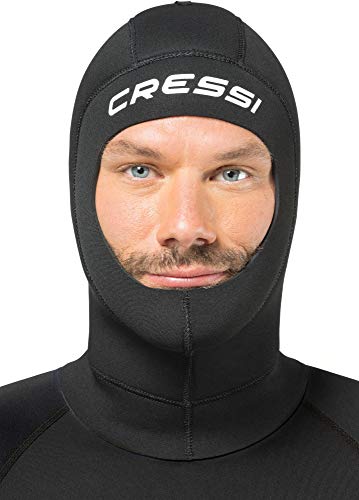
- 5mm high-stretch neoprene
- Top air-release vent
- Built-in hanging loop
Best For: Cold-water scuba diving and snorkeling
Best Stretch-Fit Pick

- Stretch face and chin improve comfort
- Glued and blind-stitched construction
- Top vent helps release bubbles
Best For: Cold-water swimming, snorkeling, paddling, diving, and surfing
Best Ventilated Design

- Three-valve air-release system
- Warm, flexible 5/3mm neoprene
- Reinforced seams help resist tearing
Best For: Diving, snorkeling, surfing, swimming, and paddling
Flexible Coverage – Skyone 3mm/5mm Neoprene Hood
For shoppers comparing wetsuit hoods for cold water, the Skyone hood offers a choice of 3mm or 5mm neoprene, flexible stretch, and full head coverage. Its flat-seam slip-on design suits diving, surfing, kayaking, snorkeling, and other water activities.
Best For: Multi-sport users who want adjustable thickness options and broad coverage.
Pros:
- Available in 3mm and 5mm neoprene options
- Stretchy glued-and-blind-stitched construction
- Designed to reduce drag and provide thermal coverage
- Available in sizes XS through XXL
Cons:
- Not completely waterproof
- Fit depends on careful head measurement and shape
The Skyone is a versatile choice when one hood may be used across several sports. Choose the thickness and size carefully, especially if you have a higher head curvature.
Maximum Insulation – Fourth Element 7mm Cold Water Hood
Among wetsuit hoods for cold water, the Fourth Element 7mm Cold Water Hood is the thickest option in this roundup. Its bibbed design extends under the wetsuit, while a Glideskin lining, stretch construction, and nylon lining support warmth and easier use between dives.
Best For: Serious adult divers seeking maximum insulation for prolonged cold-water dives.
Pros:
- 7mm neoprene provides substantial thermal insulation
- Bibbed design helps extend coverage under a wetsuit
- Glideskin lining helps with putting it on and taking it off
- Flatlock seams and stretch neoprene support comfort and flexibility
Cons:
- Thicker construction may feel less streamlined than lighter hoods
- Supplied listing is for a large adult size
This is the most cold-focused option here, prioritizing insulation over minimal bulk. It makes the most sense for divers who regularly spend extended time in cold water.
Ventilated Fit – 3mm Flow Vent Dive Hood
This 3mm hood is a practical pick among wetsuit hoods for cold water when you want thermal coverage without moving to a thicker design. Its Flow Vent system helps release trapped air, and the glued blind-stitch construction is designed for a snug, comfortable fit.
Best For: Divers and water-sports users who value ventilation and flexible 3mm coverage.
Pros:
- Flow Vent helps reduce air buildup
- Glued blind stitching supports comfort and watertight seals
- Neoprene construction provides thermal insulation
- Face seal can be trimmed for a more customized contour
Cons:
- 3mm thickness may provide less insulation than a 5mm or 7mm hood
- Size selection requires consulting the seller’s chart
The ventilation feature distinguishes this hood for users who dislike trapped air during underwater activity. It is a balanced option for moderate cold-water use and varied water sports.
Thermal Venting – Seaskin 5mm Neoprene Diving Hood
The Seaskin 5mm hood combines a thicker neoprene build with a top flow vent, making it a strong contender among wetsuit hoods for cold water. The vent is designed to let bubbles escape without creating water exchange, while glued blind stitching supports durability.
Best For: Unisex adult divers and snorkelers wanting 5mm insulation with bubble-release ventilation.
Pros:
- 5mm neoprene provides a warm thermal isolation layer
- Top flow vent allows bubbles to escape
- Glued and blind-stitched construction
- Designed to help protect against sea lice and jellyfish
Cons:
- Correct sizing requires using the Seaskin size chart
- Listed configuration is size Large
Seaskin’s combination of 5mm thickness and controlled venting makes it a practical middle ground between lighter and heavier hoods. Consider it for cold-water diving or snorkeling where warmth and bubble management both matter.
Maximum Warmth Pick – BARE 7MM Ultrawarmth Wet Hood
For divers comparing wetsuit hoods for cold water, the BARE 7MM Ultrawarmth Wet Hood prioritizes insulation with its high-loft Omnired inner fabric and thick neoprene construction. Its full-stretch Elastek exterior is designed to make pulling the hood on more comfortable.
Best For: Scuba divers seeking a warm, 7mm hood designed to mate with a wetsuit collar.
Pros:
- High-loft Omnired inner fabric is designed to enhance warmth.
- 7mm thickness provides substantial insulation.
- Full-stretch Elastek outer fabric helps with comfortable fitting.
- Double-glued SECURE-LOCK construction supports durability.
Cons:
- Designed specifically to be worn with a BARE wetsuit.
- Its 7mm construction may feel less streamlined than thinner hoods.
This is the most insulation-focused option in the group, with a trimmable face and neck seal for fit adjustment. It is a strong choice when warmth and wetsuit integration matter more than minimal bulk.
Versatile Budget Option – XUKER 5/3mm Neoprene Surf Hood
The XUKER Neoprene Wetsuit Surf Hood is a versatile choice for shoppers seeking wetsuit hoods for cold water across surfing, diving, swimming, or kayaking. It combines a soft, flexible fit with a fleece-lined ear area and wind protection.
Best For: Unisex water-sports use across changing weather and activity conditions.
Pros:
- Available in a 5/3mm configuration for added coverage.
- Fleece lining around the ears helps reduce cold-water discomfort.
- Blind stitching is designed to improve durability and limit water absorption.
- Provides wind and sun protection during extended sessions.
Cons:
- The supplied details list a size Large, so fit availability should be checked.
- Thickness options may provide less insulation than a dedicated 7mm hood.
With its unisex design and broad activity range, this hood suits users who want one flexible option for multiple outdoor water sports. Check the available size and thickness before ordering.
Balanced Diving Choice – Cressi 5mm Solo Hood
The Cressi Solo Hood offers a balanced approach for shoppers evaluating wetsuit hoods for cold water. Its 5mm high-stretch neoprene is designed for comfort and fit, while a top vent helps release trapped air during scuba diving or snorkeling.
Best For: Adult divers and snorkelers who want a straightforward 5mm hood with comfort-focused features.
Pros:
- 5mm high-stretch neoprene supports a comfortable fit.
- Designed for cold-water scuba diving and snorkeling.
- Top vent releases air trapped at the crown.
- Hanging loop makes drying more convenient.
Cons:
- It is a solo hood rather than a full wetsuit-integrated hood.
- Its 5mm thickness may offer less insulation than a 7mm model.
This is a practical middle-ground option for recreational diving and snorkeling. The vent and hanging loop add useful convenience, while the stretch neoprene keeps the design focused on easy, comfortable wear.
Best Stretch-Fit Pick – XUKER 5/3mm Neoprene Hood
For shoppers comparing wetsuit hoods for cold water, the XUKER 5/3mm hood combines thermal neoprene with an ultra-stretch face and chin area for a more comfortable fit. Its glued-and-blind-stitched construction, vent, and available necking or no-necking options make it a versatile choice for several water sports.
Best For: Cold-water swimming, snorkeling, paddling, diving, and surfing where flexible fit and warmth are priorities.
Pros:
- 5/3mm neoprene helps create a thermal isolation layer.
- Ultra-stretch face and chin improve comfort and fit.
- Glued and blind-stitched seams support durability and flexibility.
- Top flow vent lets bubbles escape without encouraging water exchange.
Cons:
- Only a medium size is specified in the supplied details.
- The hood is listed as 5/3mm rather than one uniform thickness.
The XUKER stands out for its comfort-focused stretch panels and practical vent design. Check the sizing carefully, but it is a strong all-around option for active users who want warmth without a restrictive feel.
Best Ventilated Design – 5/3mm Neoprene Diving Hood
If you need wetsuit hoods for cold water across multiple activities, this 5/3mm neoprene model focuses on warmth, flexibility, and easy wear. Its three-valve vent system helps release trapped air, while reinforced glued and blind-stitched seams are designed to handle repeated use.
Best For: Divers, snorkelers, surfers, swimmers, and paddlers seeking a flexible hood with an air-release system.
Pros:
- 5/3mm neoprene helps reduce heat dissipation in cold water.
- Three-valve vent system allows trapped air to escape.
- 3D design is intended to make putting on and removing the hood easier.
- Reinforced joints help reduce tearing during use.
Cons:
- The supplied listing identifies the selected size as XL; fit should be checked carefully.
- Hand washing is specified for care.
- The hood is pull-on, so it may not suit users seeking adjustable closures.
This model is a practical pick when ventilation and durability matter as much as insulation. Its broad activity range makes it useful for water-sports users who want one hood for several environments.
Best High-Elasticity Option – ZCCO 3mm/5mm Diving Hood
For buyers comparing wetsuit hoods for cold water, the ZCCO diving hood offers neoprene insulation, UV and sea-creature protection, and a close-fitting design intended to reduce water resistance. Its high-elasticity construction is suited to active snorkeling, diving, and other water sports.
Best For: Water-sports users who want a flexible neoprene accessory to wear with a diving suit.
Pros:
- Neoprene construction helps keep the head warm.
- Natural fit is designed to reduce water resistance.
- 150% elasticity and recovery support flexible movement.
- Offers UV and sea-creature protection.
Cons:
- The product is not completely waterproof.
- The supplied notes emphasize wearing it with a diving suit.
- The listing includes varying thickness references, so confirm the selected version before buying.
The ZCCO is best viewed as a flexible thermal accessory rather than a standalone waterproof barrier. Its stretch and recovery make it appealing for active users, provided it is paired with the appropriate diving suit.
How We Picked These Wetsuit Hoods for Cold Water
We focused on hood thickness, intended use, construction, fit features, and versatility across diving, surfing, snorkeling, kayaking, and other water activities. The selection includes 3mm, 5mm, and 7mm designs so you can match insulation to water temperature and session length. We also considered features such as bib necks, face seals, stretch neoprene, ventilation, thermal linings, and compatibility with wetsuits or other exposure gear.
Because fit strongly affects warmth, options for men, women, and youth are represented where specified by the manufacturer. Product descriptions and stated materials were used to distinguish lightweight recreational hoods from thicker cold-water equipment.
Quick Comparison
| Hood Thickness | Best For | Main Advantage |
|---|---|---|
| 3mm | Mild-to-cool water, active sports | More flexibility and less bulk |
| 5mm | Cold-water diving and surfing | Balanced warmth and mobility |
| 7mm | Very cold water and long sessions | Maximum insulation |
Key Buying Factors for Wetsuit Hoods for Cold Water
Thickness and Water Temperature
Thickness is the quickest way to compare warmth. A 3mm hood suits moderately cool conditions and high-mobility activities, while a 5mm hood is a more versatile choice for genuinely cold water. Choose 7mm when heat retention is the priority, particularly for cold-water diving or extended immersion. Your full wetsuit thickness, gloves, boots, activity level, and personal cold tolerance also matter.
Fit, Seals, and Coverage
A hood should fit closely without creating painful pressure around the face, neck, or jaw. Look for a smooth face seal and a bib or extended neck if you need better integration with a wetsuit collar. Excess material can flush cold water through the hood, while an overly tight fit may become uncomfortable and difficult to wear.
Neoprene Stretch and Lining
Flexible neoprene makes a hood easier to pull on and helps it conform to the head. Thermal or plush linings can improve warmth and drying comfort, but may add bulk. Features such as flow vents can help release trapped air during diving, although they should not replace a proper fit.
Activity and Compatibility
For surfing and kayaking, prioritize flexibility and a secure fit during frequent movement. Divers may prefer thicker construction, bib coverage, and a hood designed to work beneath a mask strap or wetsuit collar. Check sizing carefully and confirm whether the hood is intended to be worn alone or with a specific wetsuit system.
Who Should Buy Which Wetsuit Hoods for Cold Water?
- Choose 3mm if you want lighter insulation, easy movement, and a hood for cool-water surfing, snorkeling, kayaking, or transitional seasons.
- Choose 5mm if you need a practical all-around cold-water hood for diving, surfing, or repeated sessions where warmth and flexibility both matter.
- Choose 7mm if you regularly dive or work in very cold water and prefer maximum insulation over minimal bulk.
- Choose a bib-style hood if reducing water entry at the neck and improving wetsuit overlap are top priorities.
- Choose a highly stretchy design if easy dressing, comfort, and unrestricted movement matter more than the thickest possible insulation.
Before ordering, measure your head according to the manufacturer’s chart and compare the hood’s thickness with the rest of your exposure system. The best wetsuit hood is the one that seals comfortably, stays in place, and provides enough warmth for your actual water conditions.