Finding the right travel optic is a balancing act: you want enough power to see detail, but not so much bulk that it becomes a burden on the road.
This roundup of spotting scopes for travel focuses on compact, packable options that make sense for birding, hiking, sightseeing, and quick glassing sessions.
Best 10 Spotting Scopes for Travel Picks for 2026
Ultra-Portable Travel Spotter
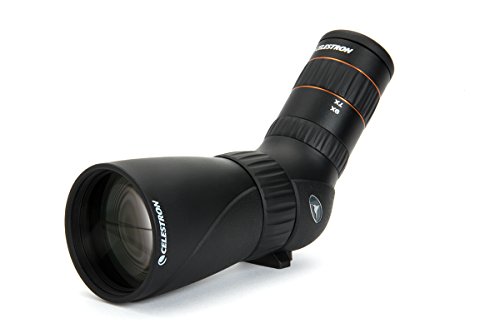
- Fits in a pocket, vest, belt pack, or shoulder bag
- ED glass with sharp, vivid image quality
- Waterproof, nitrogen-filled, and travel ready
Best For: Travelers who need a compact ED spotting scope for birding and wildlife
Packable Pocket Monocular
Nocs Provisions Field Tube 10x32
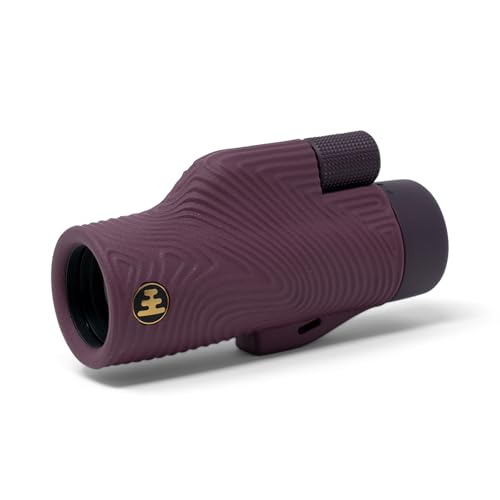
- Ultra-light 8.09 oz. build for travel
- Wide 333 ft field of view with 10x power
- IPX7 waterproof and fog-proof construction
Best For: Backpackers and travelers who want a rugged, ultra-compact monocular
Travel Zoom Spotter
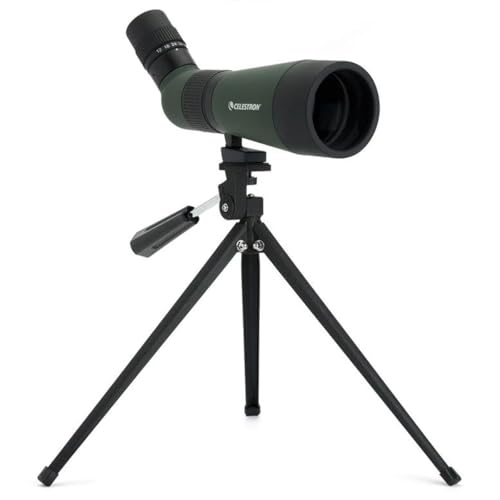
- 12-36x zoom for flexible viewing
- Includes smartphone adapter for digiscoping
- Compact and lightweight with rotating tripod mount
Best For: Beginner travelers who want a zoom spotting scope with easy phone capture
Single-Hand Travel Viewer

- 12x50 design balances power and light gathering
- FMC lens and BAK-4 prism for clearer views
- Compact body with tripod interface for flexibility
Best For: Travelers who want a one-handed monocular with solid magnification
Travel-Ready Beginner Spotter
SVBONY SV28 25-75x70 Angled Scope
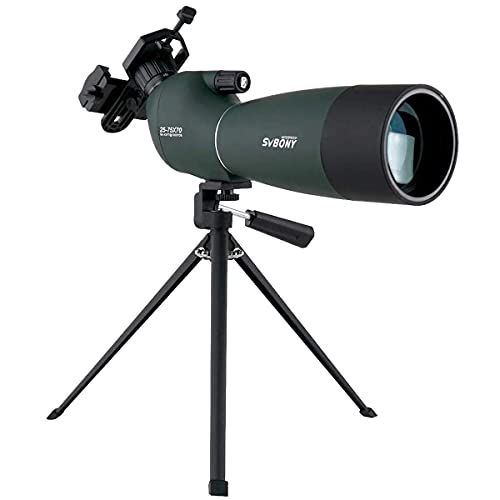
- 25-75x zoom for flexible viewing
- 70mm lens for stronger light gathering
- Includes phone adapter, tripod, and case
Best For: Beginner travelers wanting a lightweight starter spotting scope
Pocket Travel Monocular
Olimt 8x25 Compact ED Monoscope

- Pocket-size 5.8 oz build for travel
- 8x zoom with wide 358 ft/1000 yd view
- IPX7 waterproof with ED glass optics
Best For: Travelers who want the smallest possible handheld viewing option
High-Power Travel Spotter
Gosky 20-60x80 DiamondEdge Scope

- 20-60x zoom for longer-range viewing
- 80mm multi-coated lens with BAK4 prism
- Includes smartphone adapter and tripod
Best For: Travelers wanting a more powerful scope for distant viewing
Travel-Ready Power
40x60 High Powered Monocular Telescope

- 40x magnification with a 60mm objective lens
- FMC coating and BAK4 prism support bright images
- Includes smartphone holder and tripod
Best For: Travelers who want a compact long-range optic for sightseeing and wildlife
Compact Adventure Pick
Nocs Provisions Lite View 9-27x56mm

- 9-27x zoom in a compact, lightweight body
- Fully multi-coated, anti-scratch optics
- Rugged grip with IPX4 water resistance
Best For: Hikers and travelers who want a rugged compact spotting scope
Compact All-Weather Scope

- 16-48x zoom with a compact 50mm objective lens
- IPX7 waterproof and fog-proof construction
- Includes tabletop tripod, case, and field cover
Best For: Travelers needing a lightweight scope for outdoor use in changing weather
Ultra-Portable Travel Spotter – Celestron Hummingbird ED 56mm
If you want spotting scopes for travel that still deliver real optical reach, the Celestron Hummingbird ED 56mm is built around portability first. It fits easily into a coat pocket, vest, belt pack, or shoulder bag, while the ED glass and 9-27x zoom make it practical for birding, wildlife, and general outdoor use.
Best For: Travelers and birders who want a compact scope with ED optics and true field-ready weather protection.
Pros:
- Ultra-compact design that is easy to carry on trips
- ED lens system with vivid, well-managed color and sharp image quality
- 9-27x magnification covers a useful travel-friendly range
- Waterproof and nitrogen-filled for wet or humid conditions
Cons:
- Tripod use is still needed for steady viewing at higher zoom
- Smaller body may feel less substantial than full-size scopes
For travelers who want a serious optic without giving up packability, this model strikes a strong balance. Its close focus, weather sealing, and small footprint make it one of the more practical choices for mobile birding and sightseeing.
Packable Pocket Monocular – Nocs Provisions Field Tube 10×32
For travelers looking at spotting scopes for travel but wanting something even lighter, the Nocs Provisions Field Tube keeps things simple and compact. At just 8.09 oz., this 10×32 monocular is easy to toss in a day bag, and its waterproof, fog-proof build suits changing weather on the go.
Best For: Backpackers and casual travelers who want a tiny, rugged monocular with a wide field of view.
Pros:
- Very lightweight and compact for easy travel carry
- Fully multi-coated optics with a wide 333 ft field of view
- IPX7 waterproof and fog-proof for rough conditions
- Oversized focus wheel and twist-up eyecup improve usability
Cons:
- Monocular design is less immersive than a spotting scope
- 10x magnification is useful, but not as versatile as a zoom scope
This is a strong option if your priority is convenience over maximum magnification. It is especially appealing for travelers who want something rugged, easy to use, and compatible with smartphone photography.
Travel Zoom Spotter – Celestron LandScout 12-36×60
The Celestron LandScout is a practical choice if you want spotting scopes for travel with more reach and easy digiscoping. Its 12-36x zoom, compact body, and included smartphone adapter make it a flexible option for sightseeing, birding, and documenting what you see.
Best For: Travelers who want a beginner-friendly zoom scope with a smartphone adapter included.
Pros:
- 12-36x zoom gives you both wider and tighter views
- Compact, lightweight design is easy to pack
- Includes a smartphone adapter for quick photo and video capture
- Rotating tripod mount helps with comfortable viewing angle
Cons:
- Larger than a monocular, so it takes more bag space
- Tripod setup is needed for the steadiest view
For a travel spotting scope, this model stands out by bundling the adapter and tripod support you need for field use. It is a sensible pick if you want a straightforward, budget-friendly way to observe and share what you find.
Single-Hand Travel Viewer – K&F Concept 12×50 Monocular
If you are comparing spotting scopes for travel but want something that works one-handed, the K&F Concept 12×50 monocular is designed for portability and quick viewing. The 12x magnification, 50mm objective lens, and BAK-4/FMC optics make it a handy pick for bird watching, hiking, camping, and sightseeing.
Best For: Travelers who want a high-power monocular with tripod compatibility and easy one-hand use.
Pros:
- 12×50 setup offers strong magnification with a large objective lens
- Fully multi-coated lens and BAK-4 prism support clear images
- Compact shape is easy to hold and focus with one hand
- Tripod interface adds flexibility for steadier viewing
Cons:
- Monocular form is less versatile than a true spotting scope
- Not as compact as the smallest pocket-sized travel optics
This is a good middle ground for travelers who want reach without carrying a full scope setup. It is especially useful if you value simple handling, decent optical size, and the option to mount it when needed.
Travel-Ready Beginner Spotter – SVBONY SV28 25-75×70 Angled Scope
If you want one of the more accessible spotting scopes for travel, the SVBONY SV28 gives you a useful mix of zoom range, portability, and basic accessories. The 25-75x zoom and 70mm objective lens make it a practical pick for birding, scenery, and general outdoor viewing when you want more reach than binoculars without a huge setup.
Best For: Beginner to novice travelers who want a light, easy-to-carry spotting scope with a tripod and phone adapter included.
Pros:
- 25-75x zoom makes it easy to adjust magnification for different viewing distances
- 70mm lens gathers plenty of light for a brighter view once you are set up
- Includes a phone adapter and portable desktop tripod for travel-friendly use
- Lightweight design and carrying case make it easier to pack for camping or outings
Cons:
- Desktop tripod is more suited to stable surfaces than rough terrain
- Manual focus and zoom are less convenient than more advanced optics
Overall, this is a straightforward travel scope for users who value ease of setup and included extras over premium performance. It is a sensible option for casual wildlife watching, family trips, and roadside stops.
Pocket Travel Monocular – Olimt 8×25 Compact ED Monoscope
For travelers who want a compact alternative to larger spotting scopes for travel, the Olimt 8×25 monocular is built around portability first. Its pocket-size body, 8x magnification, and wide field of view make it easy to carry on hikes, camping trips, and city travel when you want quick handheld viewing without a tripod.
Best For: Travelers who need a tiny, lightweight monocular for fast, everyday observation on the go.
Pros:
- Very compact and lightweight at 5.8 oz for easy pocket carry
- 8x magnification offers a stable view with a wide 358 ft/1000 yd field of view
- ED glass, BAK-4 prisms, and fully multi-coated lenses are aimed at clear, colorful images
- IPX7 waterproof rating and nitrogen-filled construction support outdoor travel use
Cons:
- Single-eye design is less immersive than a full spotting scope
- 8x power is modest if you need serious long-range detail
This is a strong pick if your priority is packing light rather than maximizing magnification. It works best as a grab-and-go travel optic for hiking, sightseeing, and casual wildlife spotting.
High-Power Travel Spotter – Gosky 20-60×80 DiamondEdge Scope
If you are comparing spotting scopes for travel and want more reach than an entry-level model, the Gosky Flagship DiamondEdge adds a larger 80mm objective and a 20-60x zoom range. It is designed for bird watching, wildlife observation, hiking, camping, and scenery viewing, with included accessories that make it easier to use away from home.
Best For: Travelers who want a higher-magnification spotting scope with a tripod and smartphone adapter included.
Pros:
- 20-60x magnification gives strong range for detailed long-distance viewing
- 80mm fully multi-coated lens and BAK4 prism help produce brighter, clearer images
- Waterproof and fog-proof body is built for changing outdoor conditions
- Includes smartphone adapter, full-metal tabletop tripod, and carrying case
Cons:
- At 2.4 pounds, it is heavier than compact travel optics
- Tabletop tripod is less versatile than a full-size field tripod
For travelers who do not mind a bit more bulk, this model offers a more capable viewing setup than smaller optics. It is a solid choice when image brightness, zoom flexibility, and included accessories matter most.
Travel-Ready Power – 40×60 High Powered Monocular Telescope
If you want spotting scopes for travel that pack serious reach into a small carry-friendly setup, this 40×60 monocular is built for quick outdoor viewing. The 40x zoom, FMC coatings, and BAK4 prism aim for bright, high-contrast images, while the included smartphone holder and tripod make it easier to share distant scenes without shaky footage.
Best For: Travelers, birdwatchers, and casual nature viewers who want a compact, shareable long-range optic.
Pros:
- 40x magnification with a 60mm objective lens for strong reach
- FMC coating and BAK4 prism help reduce light loss and boost clarity
- Includes a smartphone holder and upgrade tripod for steadier photos and video
- Rubber-armored body and adjustable eyecup improve grip and comfort
Cons:
- Monocular design is less immersive than a full spotting scope
- Manual focus requires a little adjustment in the field
- At 1.1 pounds, it is portable but not the lightest option here
As a travel-friendly viewing tool, this model makes the most sense when portability and phone-sharing matter more than a traditional scope format. It is a practical pick for sightseeing, wildlife, and events where you want extra reach without carrying bulky gear.
Compact Adventure Pick – Nocs Provisions Lite View 9-27x56mm
For spotting scopes for travel, the Nocs Provisions Lite View is a strong match if you want compact optics without giving up useful zoom range. Its 9-27x magnification, 56mm objective lens, fully multi-coated lenses, and inline focus are designed for portable viewing on hikes, wildlife trips, and sightseeing days.
Best For: Hikers and travelers who want a compact, rugged spotting scope with straightforward field use.
Pros:
- 9-27x zoom gives flexibility for both wider views and closer inspection
- Fully multi-coated, anti-scratch optics support clarity and durability
- Rugged Wave Grip and IPX4 water resistance suit outdoor travel
- Tripod-mountable design and twist-up eyecup improve comfort and stability
Cons:
- Smaller objective lens than larger traditional scopes
- Water resistance is limited to light rain and moisture
- Compact form prioritizes portability over maximum light-gathering power
This scope is a practical travel companion when size, grip, and weather-ready handling matter as much as image quality. It fits best for people who move often and want a straightforward optic that is easy to carry and use.
Compact All-Weather Scope – Bushnell Prime 16-48×50
If you are comparing spotting scopes for travel and want one that can also handle tougher conditions, the Bushnell Prime offers a compact 16-48×50 build with practical field features. Fully multi-coated lenses, low dispersion glass, and an IPX7 waterproof, fog-proof body make it a sensible option for outdoor trips where weather and brightness can change fast.
Best For: Travelers who want a lightweight, weather-resistant scope for wildlife, sports, and outdoor viewing.
Pros:
- 16-48x magnification and 50mm objective lens cover a versatile viewing range
- Fully multi-coated lenses and low dispersion glass improve brightness and color
- IPX7 waterproof and fog-proof construction supports all-weather use
- Includes tabletop tripod, EVA foam case, and soft field cover for travel convenience
Cons:
- Manual focus means more hands-on adjustment
- Smaller objective lens than larger high-light scopes
- Designed more for portability than maximum viewing size
This is a well-rounded pick for travelers who need a scope that is easy to pack and dependable outdoors. Its mix of compact size, weather protection, and included accessories makes it especially practical for field use on the move.
How We Picked the Best Spotting Scopes for Travel
We prioritized portability, optical clarity, zoom range, weather resistance, and real-world usability. For Spotting Scopes for Travel, smaller barrels, lighter builds, and easy setup matter just as much as raw magnification.
We also favored models that can ride in a daypack, pair with a tripod when needed, and handle changing outdoor conditions without feeling fragile.
Quick Comparison
In general, compact monoculars are best when size and speed matter most. Mid-size travel scopes offer a stronger balance of detail and versatility. Larger 60mm to 80mm scopes usually give more reach, but they also add weight and take up more space.
If you expect frequent handholding, look for lower magnification and a wide field of view. If you plan to observe from a stable tripod, higher zoom can make sense, especially for distant birds or shoreline scanning.
Key Buying Factors for Spotting Scopes for Travel
Size and Weight
Travel optics should be easy to carry for hours, not just tolerate a short walk from the car. Compact housings and lighter tripod setups are a major advantage.
Magnification and Field of View
Higher magnification sounds appealing, but it can make the image shakier and harder to find subjects. For moving targets, a wider field of view is often more useful than maximum zoom.
Objective Lens Size
Larger objective lenses can improve brightness and detail, especially in lower light. Smaller lenses are easier to pack and usually better for fast, casual use.
Prism and Glass Quality
Look for ED glass, fully multi-coated lenses, and solid prism design where available. These features help reduce glare, improve contrast, and keep the image sharper at distance.
Weather Resistance
Travel plans rarely happen in perfect weather. Water resistance, fog protection, and durable exterior materials add confidence when you are moving between environments.
Who Should Buy Which Spotting Scopes for Travel?
Choose a compact monocular if you want the lightest possible option for quick looks and minimal packing. Pick a small angled spotting scope if you want more stability and more detailed views for birding or landscape observation.
If you often observe from a fixed point, a larger travel scope with a tripod can be worth the extra bulk. If your trips are more casual and spontaneous, prioritize portability first and magnification second.
For most buyers, the best choice is the model that you will actually bring along consistently. The ideal travel optic is the one that fits your pack, your viewing style, and the kind of distances you most often encounter.